We are a society that loves instant gratification. The easier you make something, the more likely someone is to do it. Which is why it is so, so important for you to make things as easy on potential readers as you possibly can.
Some of you heard me lament on this several months ago in my post about building a call to action into your marketing and social media efforts. I'm not one for beating people over the head with an idea, but I've seen quite a few posts of late that make me feel the message is worth another visit.
Specifically, I wanted to focus on why every book promotion needs to have a link to buy your book and/or add it to Goodreads.
This one feels obvious, but you would be surprised at the number of book promotions I've seen as of late that did not include a single link to buy the author's book or add the author's book to Goodreads.
Make sure that every cover reveal, every interview, and every mention of your book includes links to Amazon, B&N, and any other places your book is sold. If it's not yet available for sale, then include a link to add it to Goodreads and/or easy ways for the potential readers to learn when the book is available. In fact you should include a Goodreads link regardless - readers might want to add it to their queue before committing.
If someone else has done the write up, help them help you by reaching out and asking them to add the links. I promise they won't mind, because someday they may need to send a similar email.
If you regularly host book promotions on your blog for new releases and cover reveals, do the writer a solid and ask for the info if they don't provide it. It will make a huge difference in their promotional success.
Any post/blurb/write up about your book is a critical moment for gaining potential readers - if you've been lucky enough to get there attention, then you need to do everything in your power to close the sale. Don't assume that they will remember the title, your name, or that they will even take in upon themselves to type the info into their preferred book vendor after they've read about it. Make it easy for them.
Happy writing!
Showing posts with label marketing for writers. Show all posts
Wednesday, March 19, 2014
Wednesday, September 11, 2013
Marketing lesson: building a "call to action" into your marketing and social media efforts
Rule #1: You Must Have a Call To Action
As a writer, whether you recognize it or not, you have certain actions you want your potential readers to take when they engage with you on social media. For example: follow your blog, follow you on twitter, friend you on Facebook, add your book to Goodreads, buy your book, enter a contest, leave a comment, etc. In the marketing world, asking a consumer to take a certain action via digital media is called a Call To Action, or CTA.
When you get to the stage in your career where you are marketing your book, every digital engagement opportunity you have with potential readers should have an easy to follow call to action.
I don't mean that everything you do in the social media space should have a "buy my book" message. I just mean that you need to make it as easy as possible for potential readers to engage with you further should they have that desire. That can be as simple as including a link to follow you on twitter or join your blog, or adding a link so they can add your book to their Goodreads "to-read" shelf. Never assume that potential readers will take the next step on their own.
This is true even if you aren't yet selling a book. If you want people to engage with you, you have to give them a clear and compelling way to do so.
Here's an example. Have you ever been on a blog and decided you wanted to receive future posts (either via email or by following the blog), only to find that there was no visible sign-up button? This has happened to me on multiple occasions, and I'm sorry to say that I ultimately left the blog and didn't come back. Not only did the blogger miss getting a new follower, but they missed having repeat opportunities to engage with me via future posts. This can easily be remedied by having a clear and easy to find CTA button on the page.
Rule #2: Make It Easy
This gets me to the second part of the CTA equation: it has to be as easy for the potential reader to engage with you as possible. The more clicks or steps you add to a desired action, the more likely you are to lose that person's interest.
To use the blog example, I could have written down the URL for the blog I wanted to follow, or even emailed the blogger to ask how I could receive regular blog posts. But that's difficult and time consuming. I wanted a one-step button to click so the blog would be added to my regular Blogger listing, because that's how I read blogs. Sure, there are some people who will take that extra step. But most people won't.
Let's use the query forums from last month's WriteOnCon as another example. As you hopefully all know, the best way to get people to comment on your query is to comment on their queries, so that they in turn will pay it forward.
Some forum posters make it super easy for you to find their query by adding a link in the signature of their comment. After you've read their comment, all you have to do to pay it forward is click the link and poof - you're reading their query.
Here's an example of the signature I used during WriteOn to get people to comment on my first 250 words (the "First 250 ~ First 5 Pages" lines are active hyperlinks that jump to my post):
I received return comments from ~80% of the posts I commented on, and the high return rate has everything to do with the fact that I made it super easy for them to find my info. Otherwise, they would have had to search through the hundreds of other forum posts to find my post. Who has time for that?
Rule #3: Apply Rules #1 & #2 Everywhere You Can
This post was inspired by several recent cover release blog posts I read that did not include a single way to engage with the author. Had they included a link to their Goodreads page, or even twitter, I probably would have engaged further. But they didn't, and I'm sad to say that I didn't take that next step.
Take a look at the places you are posting and marketing yourself. Have you made it easy for potential readers to engage with you? Contact you? Buy your book?
In a perfect world, every potential reader would remember your posts, tweets, pictures, messages, book blurbs, book name, and cover reveal you put out into the world. But the reality is we're busy people with a lot on our plates. Make it easy. Make it simple. You'll have a higher level of engagement with potential readers as a result.
Wednesday, January 16, 2013
Marketing Lesson: Your Brand vs. Your Product
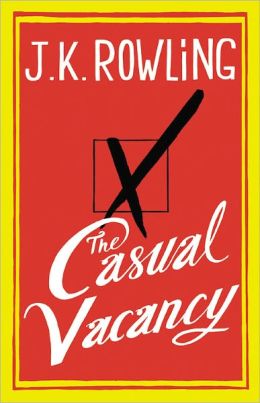
While I was home for the holidays, my mom and I were chatting about the latest J.K. Rowling novel, The Casual Vacancy. Overall she was disappointed in the book. Not because it was poorly written or because it was a bad story- quite the contrary. The main reason she didn't like the book was because it wasn't what she expected from a J.K. Rowling story.
Said another way, there was a breakdown between brand and product.
In it's most basic form, a brand is a promise. It's a signal telling consumers what they should expect from any products that fall under a given brand name.
As an example, let's use Tide. What are the things you expect from Tide as a brand? You probably think of stain free, clean clothes. Perhaps you think of the scent of clean laundry when it's coming out of the dryer.
No matter what products Tide launches - stain sticks, new fragrances, pods - you expect them to live up to the expectations you've developed based on your experience with other Tide products. If Tide products stop offering you that clean laundry experience that Tide represents to you, you might feel cheated. And if it happens more than once, you may consider switching brands altogether.
When branded products stop living up to a brand's promise, the equity of that brand can erode. Consumers may be willing to forgive once, but overtime they will start to adjust their expectations for the brand, and that adjustment will result in a loss of loyalty.
In the writing world, your name is your brand. Your products are the books you publish. After you publish your first book, your name becomes a signal to readers about what to expect from future books written under your name. If they liked what they read, they will want to see similar elements in future books written by you, and those expectations will drive future consumption of your books.
In the case of Casual Vacancy, J.K. Rowling took a huge leap from the expectations set by Harry Potter. She went from a middle grade story filled with magic and whimsy, to an adult novel set squarely in the real world, dealing with real, and often heavy, issues. Any reader who purchased Casual Vacancy with Harry Potter expectations was bound to be let down because of the drastic differences between genre and target age group.
Does this mean that Casual Vacancy shouldn't have been published? Hell no. She's J.K. F*cking Rowling. She can write whatever the hell she wants. But for the rest of us, our publisher, editor and agent will want stories that leverage our existing fan base, and readers will hold you to the expectations set by previous books you've written.
This doesn't mean you can't write a middle grade story and later write an adult story. But there will need to be shared traits between your MG and adult stories, such as genre, that links to your overall brand promise. Otherwise you might get push back from your publisher and agent, or they may request that you publish the story under a pseudonym.
No matter what, you should always write what you love. But be mindful of the expectations you will set from those early works - if you are lucky enough to have a fan base, your fans will want to see future products from you that mimic what they loved so much about your earlier works.
Said another way, there was a breakdown between brand and product.
What is a brand exactly?
In it's most basic form, a brand is a promise. It's a signal telling consumers what they should expect from any products that fall under a given brand name.
As an example, let's use Tide. What are the things you expect from Tide as a brand? You probably think of stain free, clean clothes. Perhaps you think of the scent of clean laundry when it's coming out of the dryer.
When branded products stop living up to a brand's promise, the equity of that brand can erode. Consumers may be willing to forgive once, but overtime they will start to adjust their expectations for the brand, and that adjustment will result in a loss of loyalty.
Your Name is Your Brand
In the case of Casual Vacancy, J.K. Rowling took a huge leap from the expectations set by Harry Potter. She went from a middle grade story filled with magic and whimsy, to an adult novel set squarely in the real world, dealing with real, and often heavy, issues. Any reader who purchased Casual Vacancy with Harry Potter expectations was bound to be let down because of the drastic differences between genre and target age group.
Does this mean that Casual Vacancy shouldn't have been published? Hell no. She's J.K. F*cking Rowling. She can write whatever the hell she wants. But for the rest of us, our publisher, editor and agent will want stories that leverage our existing fan base, and readers will hold you to the expectations set by previous books you've written.
This doesn't mean you can't write a middle grade story and later write an adult story. But there will need to be shared traits between your MG and adult stories, such as genre, that links to your overall brand promise. Otherwise you might get push back from your publisher and agent, or they may request that you publish the story under a pseudonym.
No matter what, you should always write what you love. But be mindful of the expectations you will set from those early works - if you are lucky enough to have a fan base, your fans will want to see future products from you that mimic what they loved so much about your earlier works.
Monday, November 19, 2012
Writers Resource: Word of Mouth Marketing Via Networking
I've worked in marketing for the last 10 years, and while I'm only in the agent querying stage of my writing journey, I can't help but imagine the magical day when I may have to put my day job skills to work to help sell my book. *crosses fingers, toes, arms and legs*
My day job has taught me that consumers love to share their opinions, and thanks to social media they have a way to share their opinions with the masses, for better or worse. Companies want consumers to spread the word about their brands and products, and so many brands spend significant resources developing platforms that encourage and enable sharing.
Think about the brands you purchased on your most recent trek to Target - every single one has a webpage, and most likely that webpage has some kind of rating/review tool to encourage visitors to review and comment about their products. They probably have a Facebook page, and may even have a hashtag or Pintrest page. (Yes, brands use Pintrest too!) Most likely they sponsor and/or contribute to a blog about topics related to their product category. When a new product launches, the marketers behind the scenes may send free samples to well known bloggers in the hopes that they will blog about it and you will read about it. They may host a contest, encouraging you to like them on Facebook so your friends will learn about the new product.
Do any of these things sound familiar? Yeah, turns out that brands with multi-million dollar budgets use some of the exact same tactics that authors use when trying to sell their books.
Of course the big difference is that brands have millions of dollars to help build awareness for their products, and awareness is how people know to go to their website, Facebook page or enter their contest in the first place. As a debut author, you're going to have to rely on the most valuable (and free) resource you have available to build awareness - your network.
You will need people to read your story and go onto Goodreads, Amazon and Barnes and Nobles to rate and review your book. Goodreads in particular requires several hundred reviews in order for a book to leverage its recommendation tool (here is a great article that explains how books are discovered on Goodreads.)
That means you are going to need to rely on more than family and close friends - you're going to have to seek out people who will not only read your book, but engage in activities that will help to spread the word.
Here are a few things you can do today to help build a network of people that will spread the word about your book when your magical publishing day comes.
1. Don't be a lurker
People want to support the people who support them, and one of the easiest ways to build a network is to actively network and engage with like-minded writers via social media. You're probably already doing this to some degree, but how engaged are you? Are you lurking around sites, forums and blogs, reading but never commenting? If so, it's time to stop lurking and get to know the writing community.
- Don't just follow blogs - leave comments. Let people know that you're there. Tell them when they've written something that resonates with you. Tweet about the posts you've enjoyed or found interesting.
- Get involved in blog contests beyond simply entering. Leave encouraging posts for your fellow writers, even if you didn't make it into the final round. If you see an entry that sounds fantastic, tell that person. Seek them out on twitter and share your encouraging words. If you see an entry you think needs some work, find a way to offer constructive and helpful criticism. Become a resource to your fellow writers.
- Become actively involved on writing forums like AgentQuery Connect. Get to know the others writers on there by engaging with them and supporting their efforts. Don't just use the resources, be a resource for others by commenting on queries and offering help and feedback.
- Don't just swap business cards at writing conferences - follow up. Send your new writer friend a note telling them it was nice to meet them. Follow their blog and find them on twitter. Engage with them long after the conference is over.
2. Use the 5:3:2 rule for social media networking
Nobody wants to be friends with the person who only talks shop, but nobody wants to network with someone who doesn't bring anything to the table. The key is balance. For every 10 tweets/blogposts/etc:
- 5 should be sharing content from others that is relevant to the writing community.
- 3 should be sharing content from you that is relevant to the writing community, but not trying to sell something (i.e. progress made on your new WIP, a book you just read and loved.)
- 2 should be something personal and non-writing related, so that people can get to know the non-writer you.
3. Pay it forward
Become a reviewer. Rate and review books on Goodreads, Amazon and B&N. If you hear that someone in your network is releasing a book, show your support for that person by buying their book and reviewing it. Then spread the word.
Invite up and coming writers to guest blog. Let them benefit from your network. Give other writers the awareness building platform that you one day hope to have.
4. Be genuine
Ever become friends with someone on Facebook only to have their person agenda constantly thrown at you? Or maybe you started following a new author on twitter, and all they ever do is talk about their book.
Don't be that person. Yes, you are building a network that you may one day need to lean on, but you're also opening yourself up to a new community of friends. Treat them the way you want to be treated.
What are some other tactics you've used to build your a network?
Subscribe to:
Posts (Atom)